Raw Shrimp

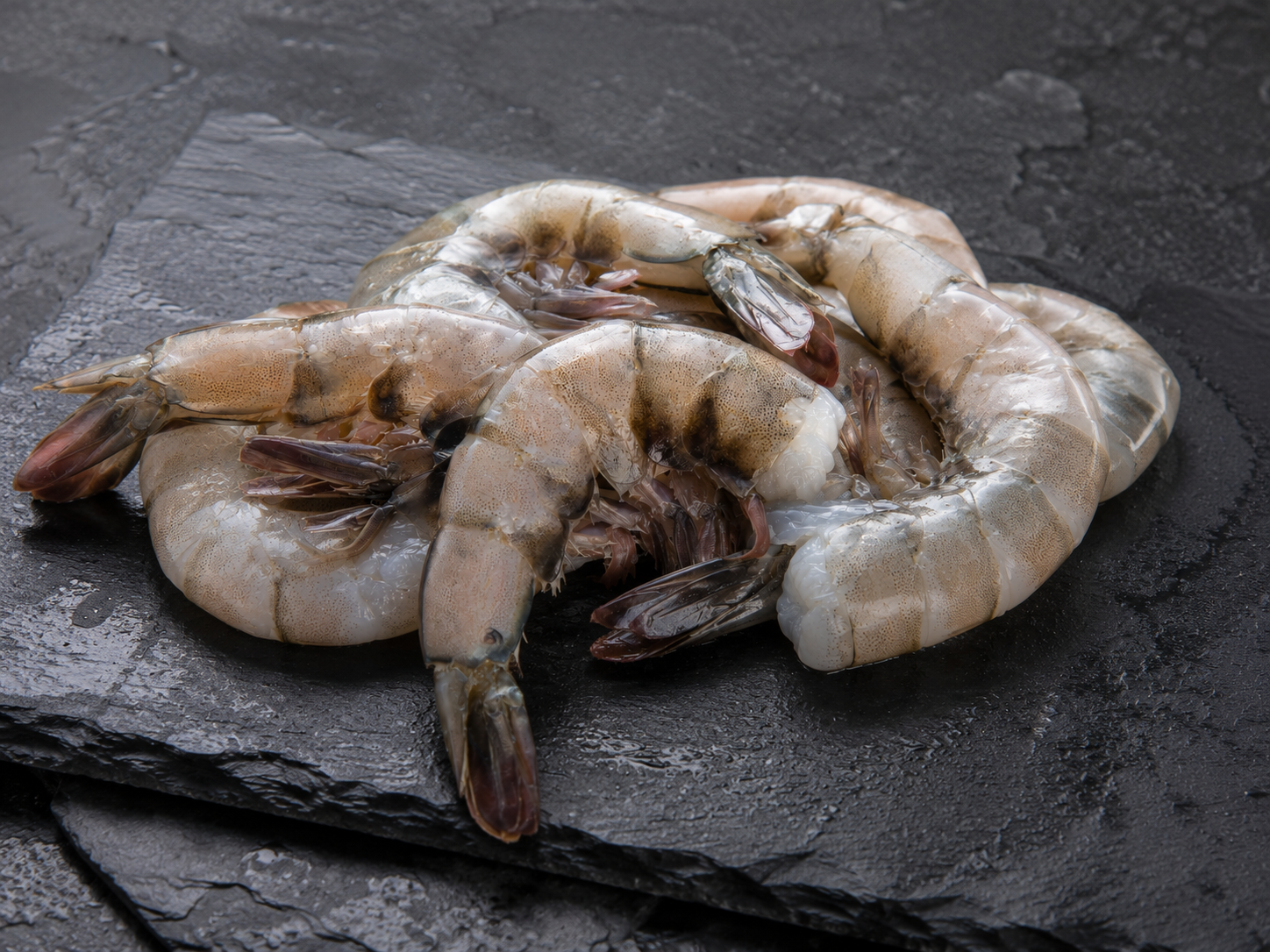
Raw shrimp is a lean, protein-rich food for omnivorous reptiles and invertebrates like box turtles and hermit crabs. It is served plain and unseasoned, chopped into small pieces, with no cooking required.

Nutrition Facts

Typical values for raw shrimp:

  • Protein: 18–20% (lean, complete animal protein)
  • Fat: 1–2% (one of the leanest animal proteins available)
  • Moisture: 76–80% (good hydration)
  • Minerals: notable amounts of selenium, iodine, and phosphorus, plus calcium and chitin when the shell is included

Role in the Diet

Shrimp works as a high-value treat for omnivores like box turtles, whose wild diet includes carrion, snails, and other animal protein. For hermit crabs, shrimp is closer to a natural staple: they are scavengers that eat crustacean matter in the wild, and shell-on pieces supply the chitin and calcium they need to build their own exoskeletons after molting. The strong smell makes shrimp especially useful for tempting animals with slow appetites.

Drawbacks

Raw shrimp, like many raw shellfish, contains thiaminase, an enzyme that breaks down vitamin B1, which is why it belongs in the treat rotation rather than serving as an everyday staple for reptiles. It also spoils quickly at enclosure temperatures, so uneaten pieces have a short window before they become a problem. Only plain, unseasoned shrimp is suitable; anything brined, salted, or seasoned is not.

Fun Facts

Shrimp are grey-blue when raw and only turn pink when heat releases astaxanthin, the same pigment that colors flamingos and salmon. Hermit crabs are such dedicated scavengers that in the wild they’ll eat almost anything the tide brings in, and a shrimp dinner is about as close to their natural menu as captivity gets.
On the Menu For

This food is part of the rotation for the following animals.

Other Foods

Below are all the foods fed to the residents.

  • Dry Pet Food

    Dry Pet Food

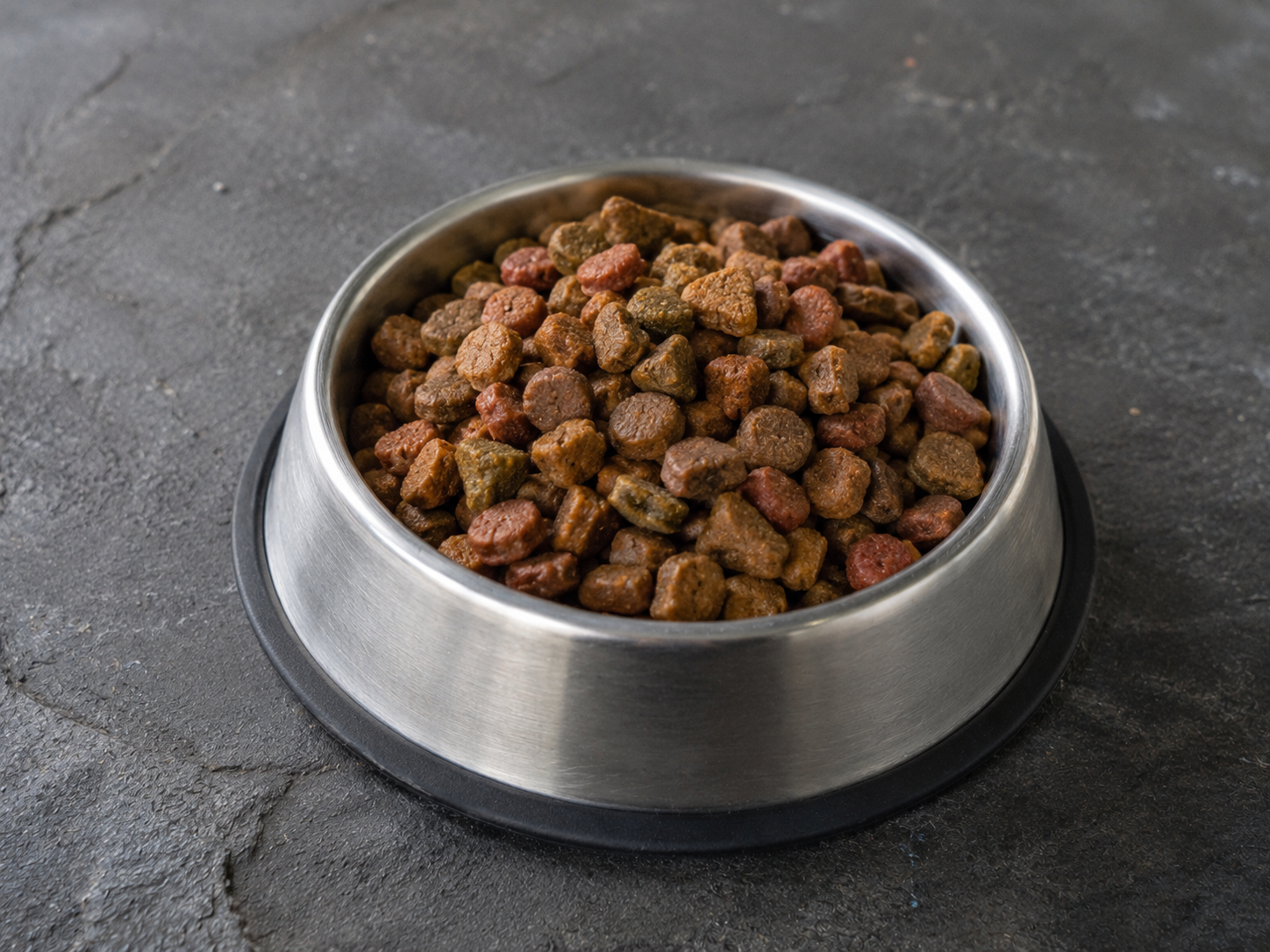
    Dry pet food, commonly called kibble, is the everyday staple of the resident dog and cat. It also works for several of the exotic animals:…

    Visit Animal Page

  • Wet Pet Food

    Wet Pet Food

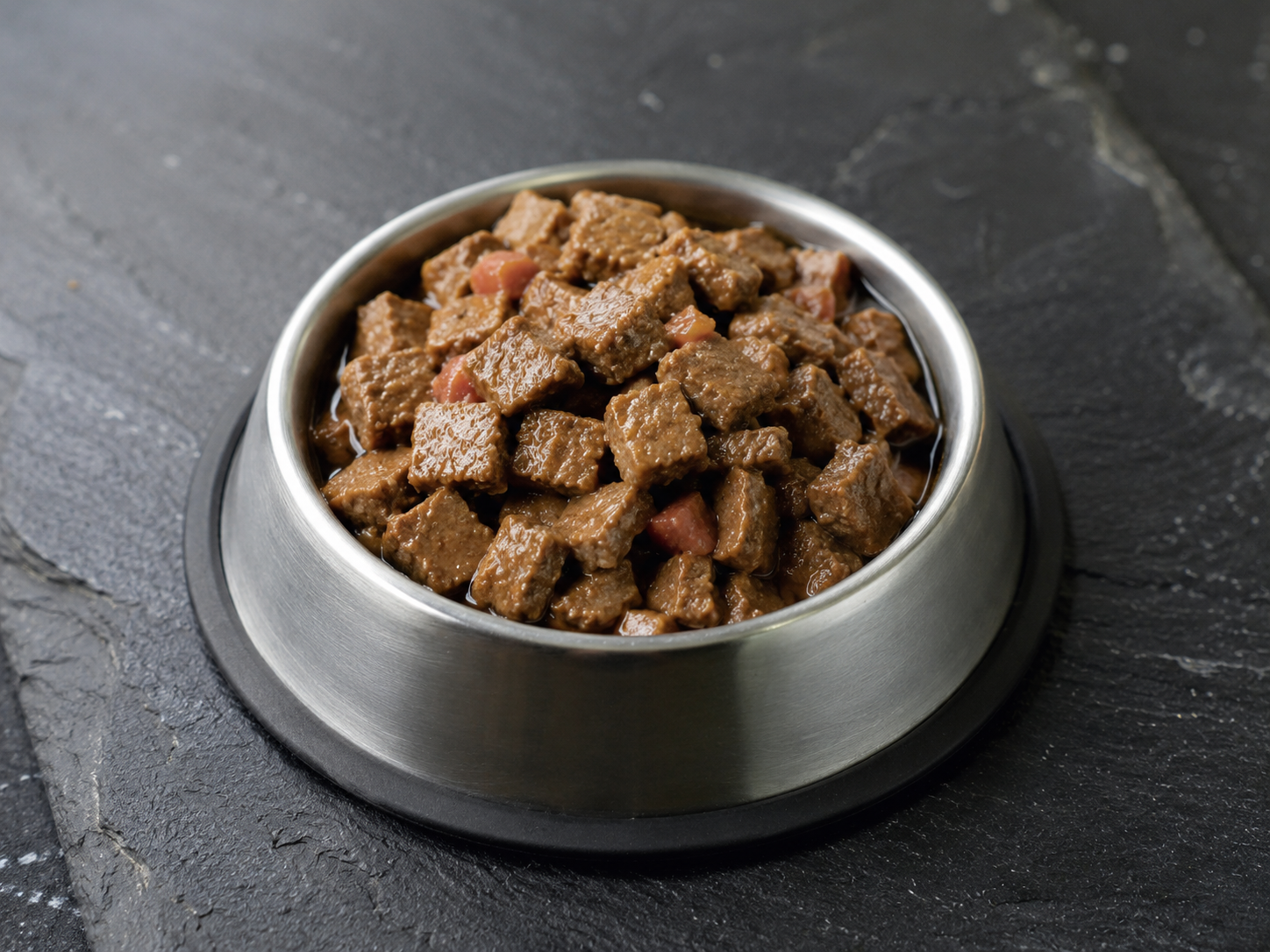
    Wet dog and cat food is a complete, balanced commercial diet that doubles as an excellent food for certain omnivorous reptiles, most famously blue-tongued skinks.…

    Visit Animal Page

  • Vegetables

    Vegetables

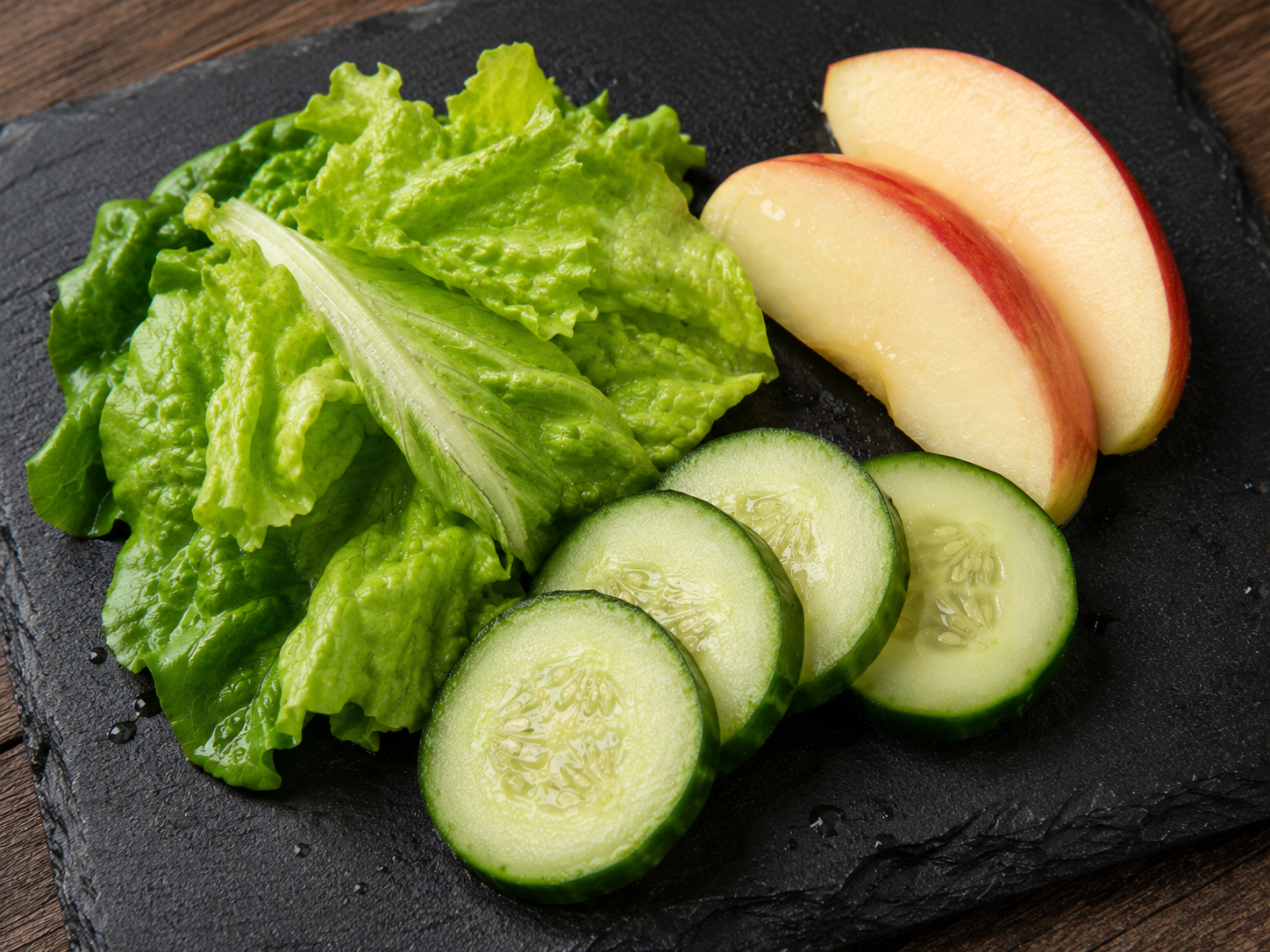
    Fresh vegetables are the foundation of a healthy diet for omnivorous and herbivorous reptiles. Leafy greens and colorful veggies provide vitamins, minerals, fiber, and hydration…

    Visit Animal Page

  • Superworms

    Superworms

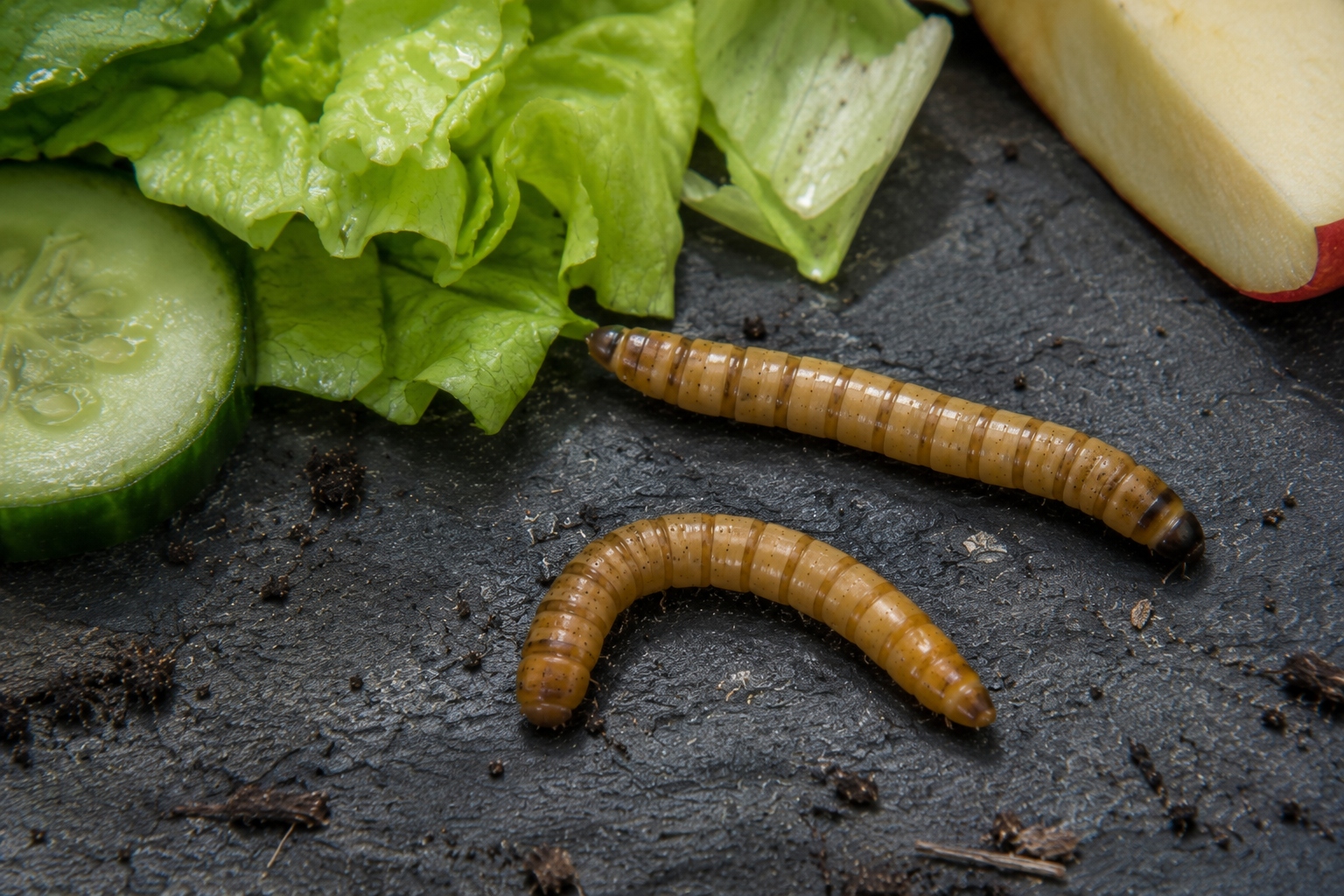
    Superworms are the larvae of a large tropical darkling beetle, essentially mealworms’ bigger, meatier cousins. Their size, softer shell relative to body mass, and active…

    Visit Animal Page

  • Roaches

    Roaches

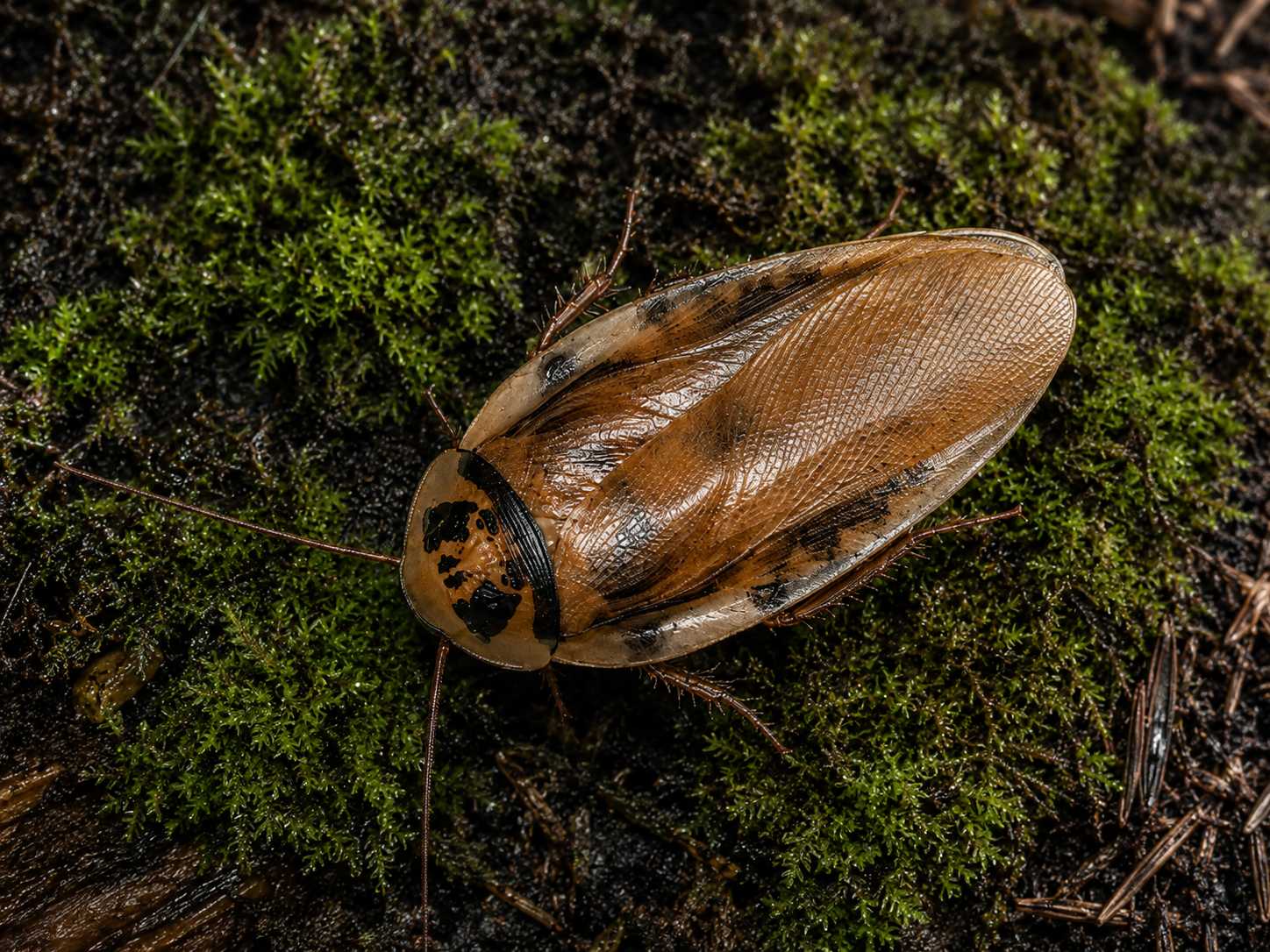
    Discoid roaches are a top-tier feeder and a favorite alternative to crickets. They’re quiet, nearly odorless, long-lived, and can’t climb smooth surfaces or fly, making…

    Visit Animal Page

  • Mealworms

    Mealworms

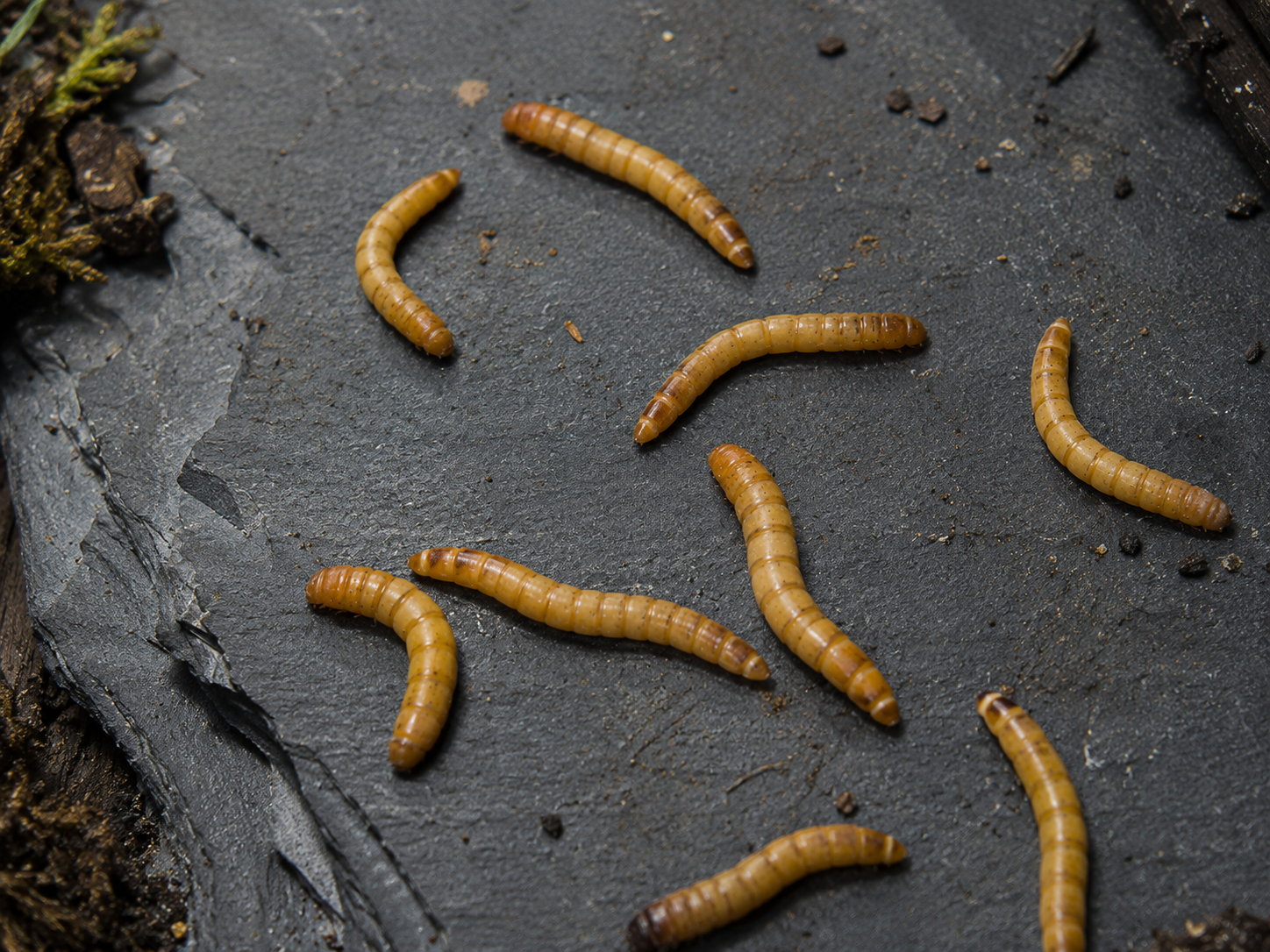
    Mealworms are the larvae of the darkling beetle and one of the most convenient feeders in the hobby. They’re cheap, easy to find, odorless, silent,…

    Visit Animal Page

  • Hornworms

    Hornworms

    Feeder hornworms are the larvae of the Carolina sphinx moth, raised on a special diet that makes them safe and nutritious for reptiles and amphibians.…

    Visit Animal Page

  • Crickets

    Crickets

    Feeder crickets are a nutritious, readily available, and affordable food source for insectivorous pets like reptiles and amphibians. They are easy to gut-load, meaning you…

    Visit Animal Page