
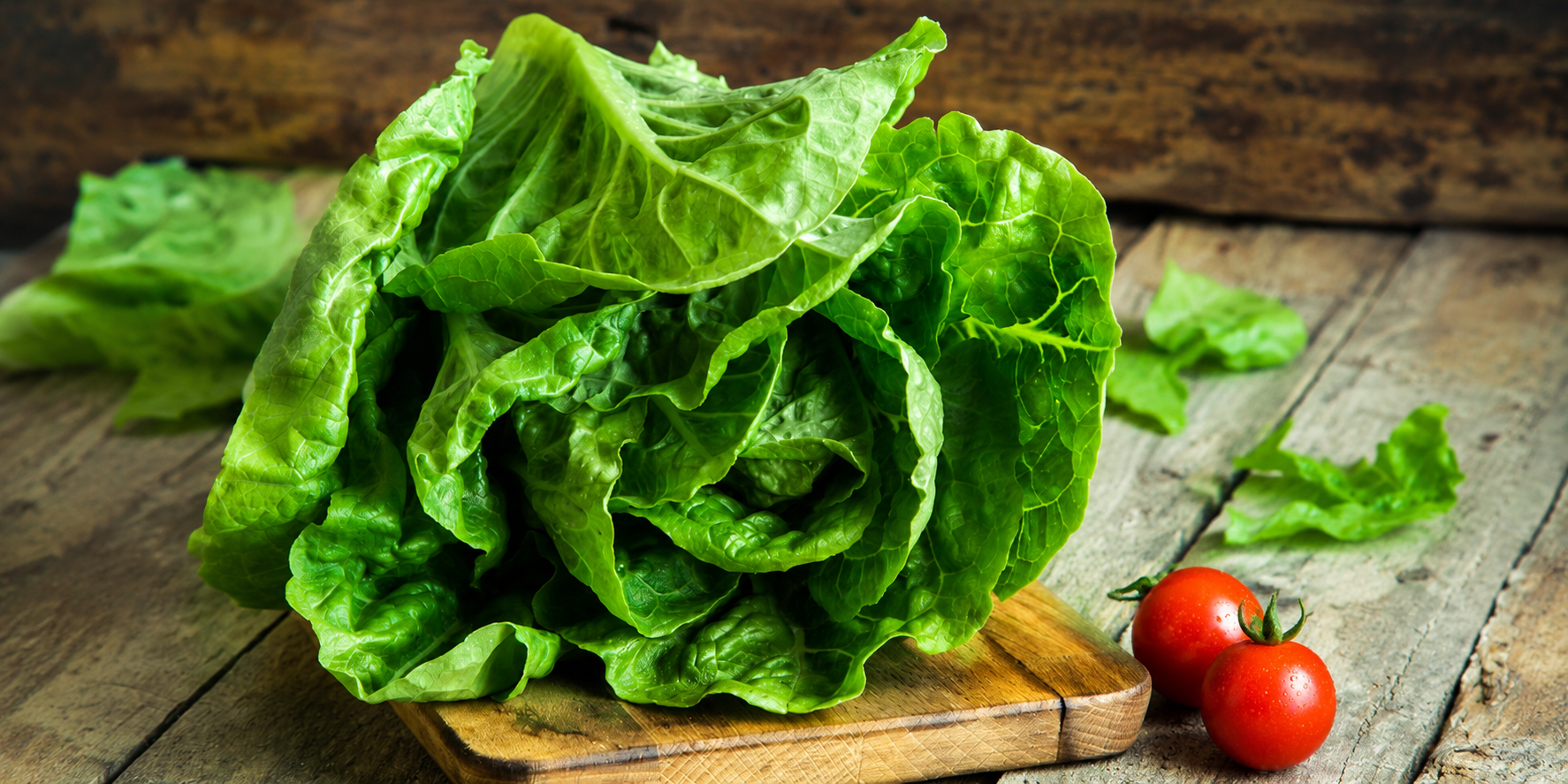
Fresh vegetables are the foundation of a healthy diet for omnivorous and herbivorous reptiles. Leafy greens and colorful veggies provide vitamins, minerals, fiber, and hydration that feeder insects alone can’t supply, and for many species, plant matter makes up the majority of the adult diet.
Nutrition Facts
Values vary by vegetable, but as a group they’re the opposite of feeder insects: low in protein and fat, high in water and micronutrients:
- Protein: 1–3% (minimal; insects cover this)
- Fat: under 1% (essentially fat-free)
- Moisture: 85–95% (a major source of daily hydration)
- Fiber: 1–4% (supports gut health and digestion)
- Calcium: excellent in dark leafy greens like collard, mustard, turnip, and dandelion greens
Role in the Diet
Omnivorous reptiles typically shift toward plants as they mature, with insects becoming the supplement rather than the staple. A varied salad built on calcium-rich greens, rotated regularly with vegetables like squash and bell pepper, covers the vitamins and minerals that insect-only diets lack. Variety is the best defense against nutritional gaps, and the moisture content doubles as a steady source of hydration.
Drawbacks
Not all vegetables are equal. Spinach and beet greens are high in oxalates that bind calcium, iceberg lettuce is mostly nutritionally empty water, and avocado and rhubarb are toxic to reptiles. Fresh produce also spoils quickly in a warm enclosure, giving salads a much shorter shelf life than live feeders.
Fun Facts
Dandelions from a pesticide-free yard are a reptile superfood: the entire plant, flower and all, is edible and loaded with calcium. Many reptiles also see color exceptionally well and are drawn to reds and yellows, which is why a strip of bell pepper often disappears before anything else in the bowl.