
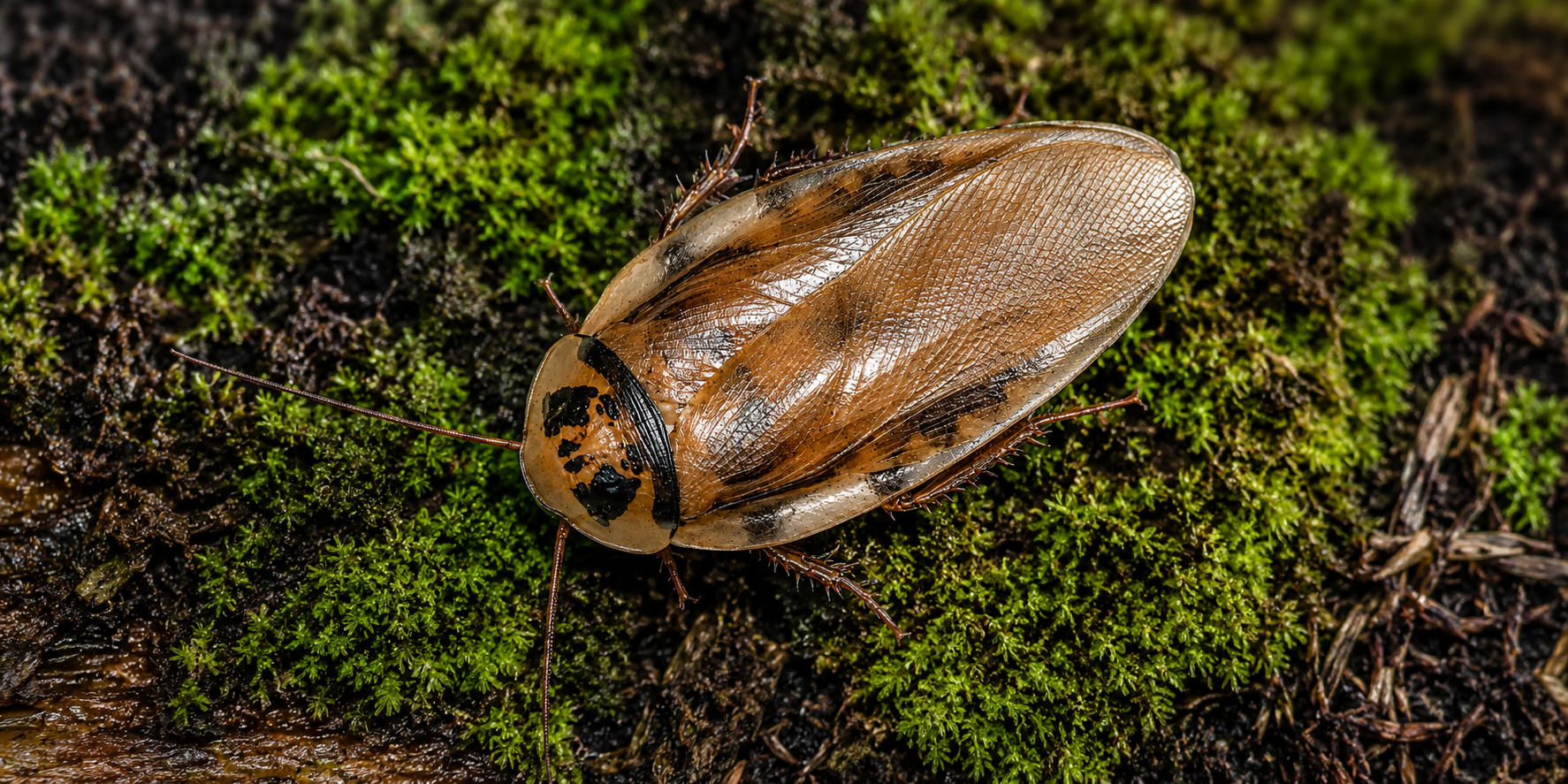
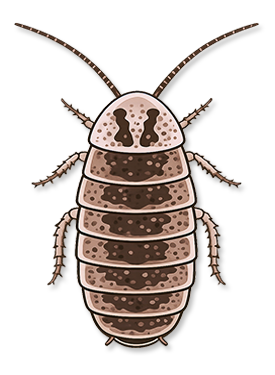
Discoid roaches are a top-tier feeder and a favorite alternative to crickets. They’re quiet, nearly odorless, long-lived, and can’t climb smooth surfaces or fly, making them one of the easiest feeder insects to keep. They’re also the go-to legal option in Florida, where dubia roaches are banned.
Nutrition Facts
Discoids offer an excellent meat-to-shell ratio, with more digestible soft tissue than crickets or mealworms:
- Protein: 19–21% (excellent staple-quality protein)
- Fat: 6–8% (moderate and lean)
- Moisture: 65–70% (good hydration)
- Fiber: 2–4% (softer body, less indigestible chitin than mealworms)
Role in the Diet
Discoids make an outstanding staple feeder. They come in a wide range of sizes, from tiny nymphs for juveniles to large adults for big lizards, so one colony can feed an entire collection. They gut-load exceptionally well, holding nutritious food in their gut longer than crickets, and their steady crawling still triggers a good feeding response without being fast enough to hide or escape like crickets do.
Drawbacks
Discoids cost more than crickets up front, though a breeding colony quickly pays for itself. They need warmth (around 80–90°F) to breed, and some animals take time to accept them after being raised on crickets. They’re also skilled at playing dead or wedging flat into tight corners, so feed them in a dish or supervise to make sure they’re actually eaten.
Fun Facts
Discoid roaches give live birth: females incubate their egg case internally and produce 20–35 live nymphs at a time. Adults can live well over a year, and despite having full wings, males are clumsy, reluctant fliers at best. Unlike pest roaches, discoids are a tropical forest species that can’t infest your home; it’s simply too cold and dry for them.